Pornocracy:
Jo Bartosch and Robert Jessel (Polity, $36, 183 pages)
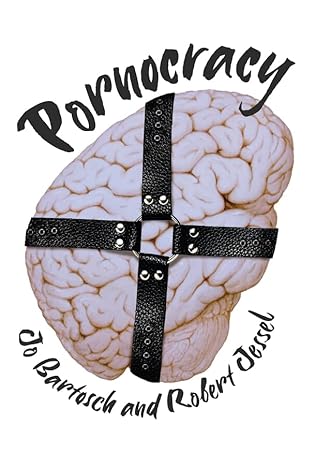 In their introduction, Jo Bartosch, a journalist, and Robert Jessel, a human rights campaigner, argue that pornography defines our culture, calling our society a “pornocracy” which they define as, “A society in which political power, culture, relationships and identity are shaped or dominated by the purveyors of pornography.” Bartosch and Jessel continue: “We might not realise it, but we are all subjects of the Pornocracy — a system where our minds, relationships and laws are shaped by global-scale sexual exploitation.” The authors describe explicit sexual content depicting or simulating rape, torture, incest, pedophilia, and other degradations; it is disconcerting and disheartening that millions of people are addicted to viewing such sexually explicit content. Such content colours the views of impressionable minds that often view such acts of violent sex “before experiencing their first (real-life) kiss.” Porn has become normalized so much so that opponents of pornography are the ones sneered at as “sex-negative” while pornographers are given a free pass on the smut they create. Pornocracy is eye-opening and provocative, and is best at describing the ubiquity of pornography and how it affects the way the sexes interact. Bartosch and Jessel describe how pornography helped normalize transgenderism. Pornocracy explains “how pornographers came to dictate the moral, social and legal codes that govern our lives.” Using a decade old figure, the authors say that global porn revenues are at least $97 billion, although no one really knows. Yet the authors do not really have a satisfactory answer against this economic and cultural behemoth. Their secular worldview limits their ability to counter harms caused by pornography’s violations of human dignity. While they are correct to note that “Half a century of feminist-led anti-porn theory has made a negligible impact on men’s willingness to be aroused by the degradation of women,” it seems improbable that they will convince men that pornography is harmful to them as consumers of porn without acknowledging what sex can and should be rather than what it shouldn’t be in its debased pornographic forms.