Fr. Alphonse de Valk, CSB, editor of the Toronto-based Catholic Insight magazine, arranged a press conference for Oct. 5, 1998, to explain that recent changes to Roman Catholic church law now make it absolutely clear where the dividing line is that separates faithful Catholics from heretics.
The Vatican’s June 30 letter, Ad tuendam fidem (In Defence of the Faith), introduces changes to Canon 750.1, including the addition of “the grave immorality of abortion.” Canon 750 now states that, “Each and every thing concerning Faith and morals which is definitively taught by the Magisterium of the Church must be firmly embraced and held … therefore whoever refuses to accept such definite propositions is opposed to the teaching of the Catholic Church.”
Daring statement
In his daring statement to the media, Fr. De Valk pointed out that politicians who call themselves Catholic and yet support abortion are contradicting Church teaching and Church law and therefore endanger their identity as Catholics. He singled out Ontario’s Liberal Party leader, Dalton McGuinty; Prime Minister Jean Chrétien; and federal Conservative leader Joe Clark as examples of Catholics who have gone on record as approving abortion.
For them, abortion is not a “grave immorality” but merely a “choice.” According to Fr. De Valk, if such politicians maintain their declared positions on abortion, they may fall under the charge of heresy, or at the very least, they risk removing themselves from “full communion” with the Church.
Dissent
Fr. De Valk’s statement parallels Ralph McInerny’s new book, What Went Wrong With Vatican II: The Catholic Crisis Explained. Professor McInerny, a distinguished Catholic scholar and author of more than 60 books, also points out that recent Church statements, especially changes in Canon 750, make it abundantly clear that dissent can no longer be tolerated.
The division between the so-called “conservatives” and “liberals” is artificial, unrealistic, and politically motivated. There is one Church that has one essential teaching. Thus, there are the faithful Catholics and the heretics.
“Dissent has become merely a habit now,” writes Professor McInerny, “and one that has lost its point … What is needed today is not a refutation of the bad arguments of the dissenters, but a change of heart.”
On Oct. 15, timed for the 20th aniversary of the Pope’s election, John Paul II issued Fides et Ratio (Faith and Reason). In this encyclical, his 13th, the pope cautions Christians not to lose their way “in the shifting sands of widespread skepticism.” He also bemoans the fact that as a result of inadequate teaching in Catholic doctrine, there are many young Catholics who “have no valid points of reference.”
Nonetheless, dissenters, Catholic and secular, continue to jab irrationally at the Church. To take but one example, Gywnne Dyer, a syndicated journalist, stated in an Oct. 17 column that although the pope is “open-minded” on social and political issues, he is “utterly inflexible on questions of religious doctrine.”
‘Inflexibility’
“Inflexibility,” of course, is neither a moral nor religious category. Dyer himself is inflexibly opposed to injustice, and is proud of that stance. Feminists are inflexibly opposed to wife abuse; homosexuals are inflexibly opposed to “homophobia,” and so on. Why are the latter “liberal,” whereas the Pope is “conservative?”
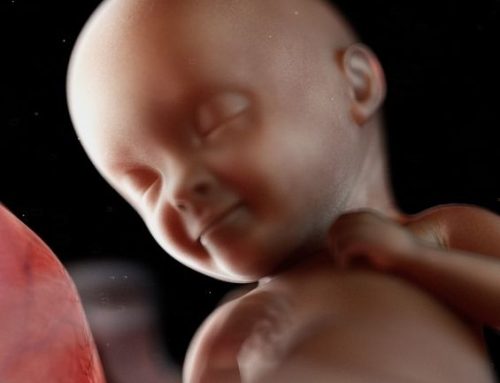
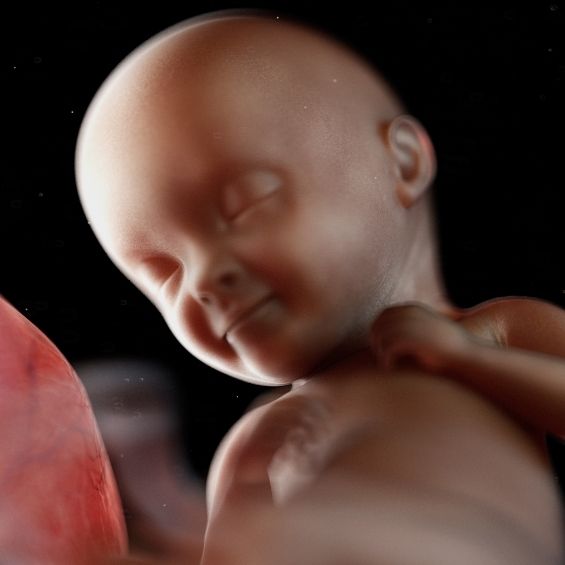
The issue concerning abortion on which the pope, the Church, and Fr. De Valk establish their positions has nothing to do with politicized, artificial, or trendy categories, but with justice, love, and a recognition of the rights and nature of the unborn human being.