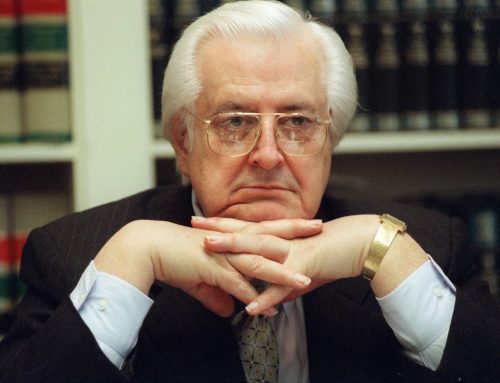
In the hot days of summer in Winnipeg, the abortion battle is heating up inside the courtrooms of the Court of Queen’s Bench. Two Winnipeg women, represented by lawyer Robert Tapper, have launched a class-action suit against the Manitoba government for its refusal to fund abortions at private clinics.The women, referred to as Jane Doe No. 1 and Jane Doe No. 2, had their abortions performed at the Morgentaler Clinic in 1994 and April 2001 respectively. They are suing the provincial government for the cost of the abortions, approximately $400 each, and an undisclosed amount for damages. Tapper told the Winnipeg Sun that, “The class action is on behalf of all pregnant women who are in the same circumstances.” He referred to his clients as “two very courageous ladies,” who have volunteered to make a private issue public in order to square off with “a government that has fallen short of its obligations.” Henry Morgantaler has indicated that the class-action suit is broader in its implications than just two women being reimbursed for abortions. The abortionist, who recently sent an open letter to federal Health Minister Allan Rock has repeatedly demanded that the Manitoba government pay for abortions performed at his private abortuary on Winnipeg’s Croyden Street. In the letter, sent in July 2001, Morgantaler refers specifically to Manitoba as a province he believes is in violation of the Canada Health Act by refusing to pay for abortions performed in private facilities. In previous interviews, Morgantaler has indicated that he would be willing to sue the Manitoba government himself to have the abortions committed in his abortuary paid for with taxpayer’s dollars. He has refused to answer, when asked by other media outlets, if he is helping to pay for the women’s class action suit. Maria Slykerman, President of the Manitoba chapter of Campaign Life Coalition, told The Interim, “I find it odd that one of the women waited since 1994 to file a lawsuit against the government.” Manitoba Health Minister Dave Chomiak has refused comment about the case to the press, but the pro-abortion government has been a disappointment to abortion activists who assumed that when the NDP came to power in 1999, funding for private abortuarties would immediately follow. Earlier this year, talks between Morgentaler and the Manitoba government over the possibility of the province buying Morgentaler’s abortuary, which commits about 400 abortions each year, broke down. Slykerman said her organization opposes the use of tax dollars to pay for abortions whether or not they are committed in government-run hospitals or private facilities. Last year, CLC Manitoba collected 6,000 signatures in support of defunding. “We are trying to fight the possible funding of the clinic.” She argues that the apathy of many people towards the issue makes the struggle against abortion in the prairie province even more difficult. “The clinic looks like a house, we picket and people ask us ‘why?’ Some people we speak to don’t even know who Morgantaler is. But, we will fight this funding. We have gotten petitions together and presented them to our provincial Health Minister, Mr. Chomiak.” Gwen Landolt, vice president of REAL Women Canada, told The Interim that the outcome of the case will most likely depend on the bias of the judges appointed to it. “It will come down to whether or not the judge is pro-abortion. We know Mr. Rock’s position. He wants abortion clinics to be fully funded.” Meanwhile, pro-life advocates such as Winnipeg’s Archbishop V. James Weisgerber use the attention provided by the court case for increased life-centered activism. In a February letter to priests in the diocese the Archbishop asked his ministers to “Raise up the Gospel value of life and oppose public funding of the Morgantaler clinic.” |