Luigi: The Making and the Meaning
John H. Richardson (Simon & Schuster, $26 paperback, 272 pages)
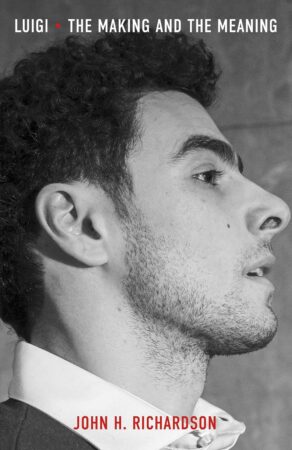 Esquire writer John H. Richardson’s Luigi, is the story of Luigi Mangione, the young man who pleaded guilty to federal charges of stalking and killing Brian Thompson, CEO of UnitedHealthCare, in 2024. In December, Mangione will be sentenced and face state charges related to the politically motivated murder. Richardson, who had an epistolatory relationship with Ted Kaczynsky (the Unabomber), saw in Mangione a disciple of the murderous anti-technology Unabomber. Mangione’s politics, Richardson writes, is a strange conflagration of (supposedly extremist) left-wing and right-wing concerns, from climate change to the injustices of capitalism to declining birth rates and blanching at woke scolds. Kaczynsky’s anti-tech manifesto, which is more standardly left-wing, strongly influenced Mangione, but the man who murdered a medical insurance executive and became a cause célèbre for the Left because he killed a capitalist bogeyman, was also personally invested in the cost of health care issues because of persistent back pain. While Richardson examines the Mangione’s social media posts, Goodreads reviews, and manifesto for hints at his politics, he notes that “after surgery fixed his back, he edged closer to a motive that might point to health care insurance as his primary target” in Mangione’s writings as such companies became the object of his ire.
Mangione became a darling of the Left, with politicians giving lip service to the idea that violence should be eschewed while at the same time saying he had a point about the injustice of capitalism and inhumanity of the insurance industry in particular. The writer Noah Rothman, author of Blood and Progress finds Mangione a man firmly on the Left, and finds that the “permission structure” that lends credibility to utilizing violence for political ends predominates on the Left, not the Right. That is because many on the Left, convinced of the righteousness of their politics, believe that the end justifies the means. It is not unfair to say that Richardson is too sympathetic to Mangione’s (and the Unabomber’s) left-wing politics and his biography is much more willing to condemn the online influencers – mostly those that are Right adjacent – than Mangione himself. Reading Luigi one will understand why the Left admires Mangione while risking misunderstanding his motivations as much broader than they actually were.