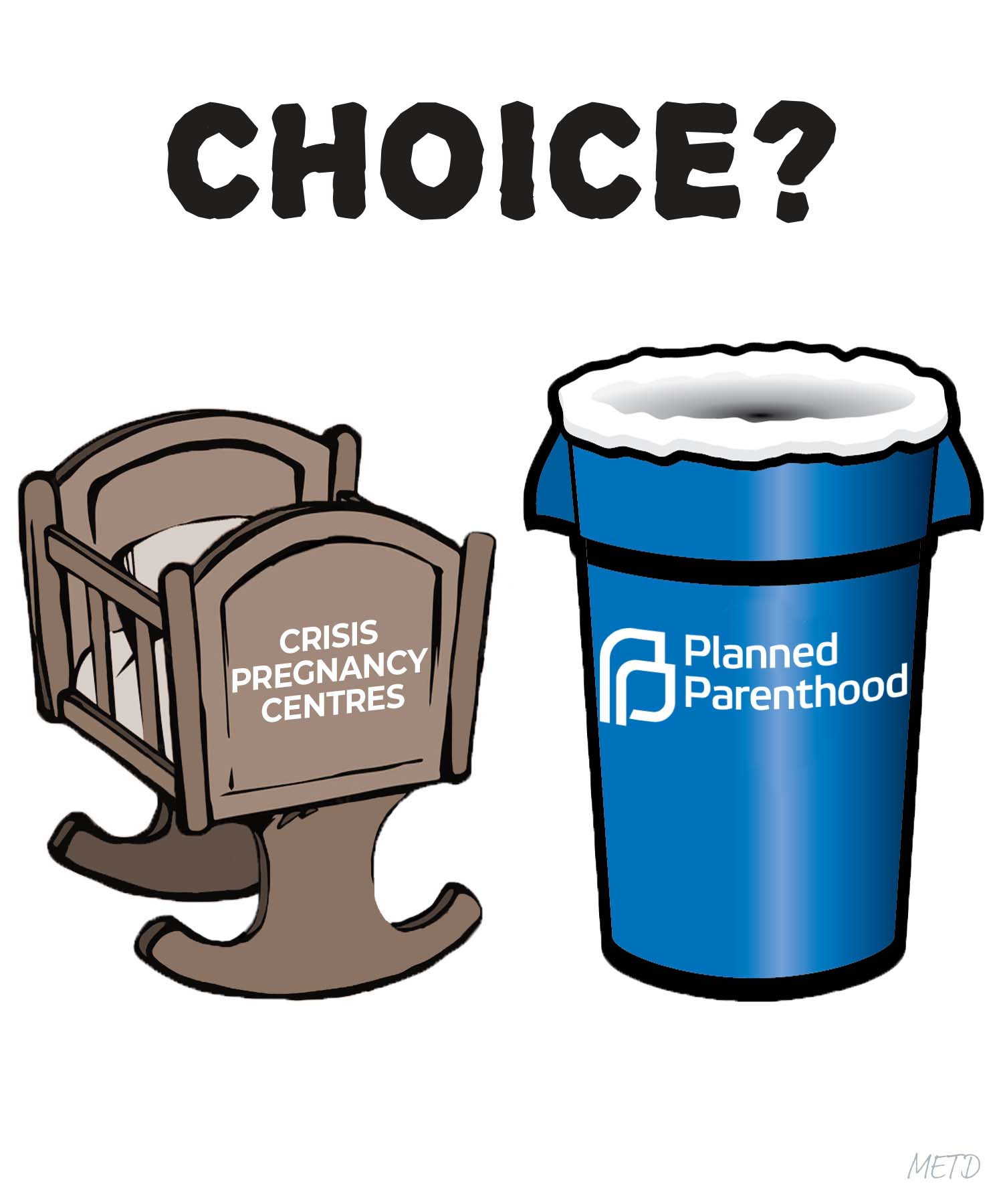
An Alberta judge has downgraded a second-degree murder conviction to infanticide, and in doing so justified her decision by comparing the mother’s murder of her newborn to abortion. Edmonton Court of Queen’s Bench Justice Joanne Veit said Katrina Effert of Wetaskiwin should not be judged too harshly because “while many Canadians undoubtedly view abortion as a less than ideal solution to unprotected sex and unwanted pregnancy, they generally understand, accept, and sympathize with the onerous demands pregnancy and childbirth exact from mothers, especially mothers without support.” Veit has been judged harshly in columns and editorials, and pro-life groups have rightly condemned the decision to suspend Effert’s sentence as a further devaluing of human life. But there is a certain perverse logic in Veit’s ruling: if Effert had chosen to kill her child any time before giving birth, not only would she not have been prosecuted, her decision would have been paid for by taxpayers. Veit is implicitly acknowledging that it makes no sense to protect babies after they are born but not before.
Veit is only following the logic of ethicist Peter Singer who says that the right to abortion continues after birth until a child is “aware of itself in the world.” Indeed, birth is an arbitrary event to demarcate legal protection on one hand and the right to kill on the other. While we would like to see a consistency that extends legal protection to the unborn, we applaud the intellectual consistency of Veil’s decision.
In the 1980s American journalist George Will noted that the issue is not when does life begin but when life become protectable. The answer from an Alberta courtroom indicates that we are moving in the wrong direction and it is hardly surprising that a society that accepts at least 100,000 prenatal infanticides each year would begin tolerate regular old infanticide.