Embryonic stem cell research
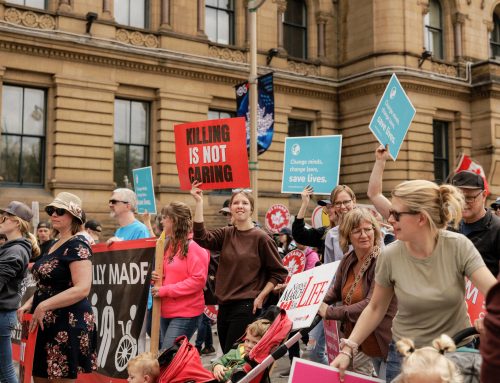
Presumptive Democratic presidential candidate John Kerry attacked President George W. Bush for his views on embryonic stem cell research (ESCR), saying he is putting politics before science. “The American people deserve a president who understands that when America invests in science and technology and higher education, we can build a new and stronger economy for the 21st century … While the Bush administration has politicized science, (Kerry would) put America back on the path of scientific excellence with a commitment to scientific research based on fact – not ideology.” Bush spokesman Scott McClellan replied, “The president doesn’t believe we should be creating life for the sole purpose of destroying life” … Senate Majority Leader Bill Frist stood shoulder-to-shoulder with Bush on ESCR, telling Fox News, “I feel, and I think the president feels, that the human embryo is three things: It’s living, it’s biologically human and it is differentiated genetically. And those three things justify saying that it has moral significance” … Among the 58 senators signing a letter urging President Bush to rescind restrictions on ESCR were pro-life Republicans Lamar Alexander (Tenn.), Thad Cochran, Orrin Hatch (Utah) and Trent Lott. Dr. James Dobson, founder and chairman of Focus on the Family, said he was “disappointed” with the letter and said specifically of the four pro-life senators that they “seem to have lost their moral compasses” … Wisconsin Governor Jim Doyle (D) lobbies national Democrats to include support for ESCR as part of the party’s platform.
United States
Senator Barbara Boxer (D – Calif.) will propose legislation to require the Department of Defence to pay for abortions for women in the military who are victims of sexual assault. Current law allows abortions on military bases only in cases of rape or incest or to save the life of the mother. The changes will also allow for taxpayer-funded abortion on military bases in cases of rape and incest, something that is not currently allowed … Congressional supporters of abortion sent a letter to Secretary of State Colin Powell to get the administration to reverse its policy of withholding taxpayer funding from the United Nation’s Population Fund … Beverly Todd Nolte, a former vice-president of marketing and lobbyist for Planned Parenthood of Nebraska and Council Bluffs, has been hired to lead the Great Plains (Nebraska) Council of the Girl Scouts of America. Jim Sedlak of the anti-Planned Parenthood STOPP International, said, “It would be naive to believe that Nolte’s appointment is a coincidence, or that it won’t translate into a stronger Planned Parenthood influence over the young girls who are a part of this council.”
International